When a Beating Heart Stops: Sudden Cardiac Arrest
Answer a few questions and we'll provide you with a list of primary care providers that best fit your needs.
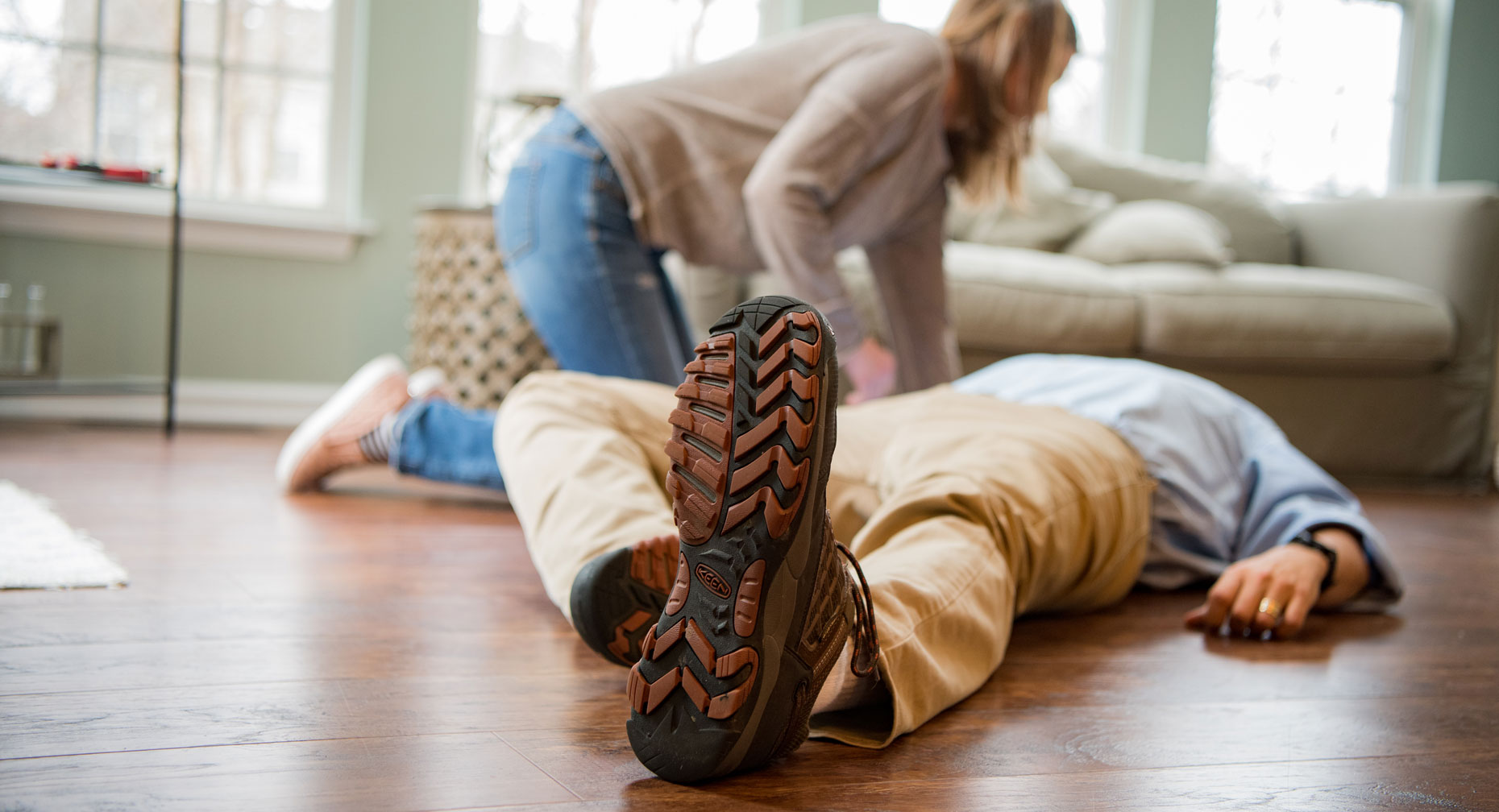
Sudden cardiac arrest is exactly what it sounds like. The heart stops beating. Unexpectedly. With no prior warning. With no prior symptoms. Without the heart’s steady pumping action, blood stops flowing to the body's organs. Unless emergency aid restores the heartbeat and gets the blood moving again within minutes, death will result.
People sometimes confuse sudden cardiac arrest with a heart attack, but they are not the same thing. (However, a heart attack can trigger sudden cardiac arrest). A heart attack results from a circulation problem: a blocked artery cuts off the blood supply to a portion of the heart. If it’s not remedied quickly, that portion of the heart begins to die. Typically, heart attack symptoms develop over a number of hours, days, or weeks.
The bottom line is that people should learn CPR.
The Causes Of Sudden Cardiac Arrest
Sudden cardiac arrest results not from a circulation problem, but from an electrical problem with the heart. The heart's rhythmic pumping is controlled by electrical impulses that cause the walls of the heart to contract, keeping the blood flowing through your body’s veins and arteries at the proper rate. If something goes wrong with the heart's electrical system, the regular rhythm of the heart's beating can be thrown off, causing the heart to beat too slowly, too quickly, or with an erratic, irregular rhythm. These conditions (called arrhythmias) can potentially cause the heart to stop pumping blood—that is, they can cause sudden cardiac arrest. Most cases of sudden cardiac arrest are caused by a specific type of arrhythmia called ventricular fibrillation.
Anyone with underlying coronary artery disease is most at risk for sudden cardiac arrest. Other things can put you at risk, such as a history of irregular heartbeat or a previous sudden cardiac arrest. You are also at risk for sudden cardiac arrest if you have a congenital problem that affects the structure of your heart or if there are electrical abnormalities with your heart’s wiring. The greatest risk is really if you have underlying coronary artery disease with blocked arteries.
Some kinds of physical stress also can lead to sudden cardiac arrest, including:
- Intense physical activity
- Major blood loss
- Severe lack of oxygen
Your genes play a part as well. The tendency to have arrhythmias, which can lead to sudden cardiac arrest, sometimes runs in families, as can other inherited conditions such as structural heart problems.
If you’ve had a heart attack—even one that was subtle enough to go undiagnosed ( a “silent” heart attack — your risk of sudden cardiac arrest is increased. Seek medical advice immediately if you notice any of the following symptoms:
- Chest pain or pressure
- Shortness of breath, indigestion, unusual and unexplained sweating
- Loss of stamina
- New swelling in your ankles
Some people wonder if an individual feels any symptoms just prior to sudden cardiac arrest. This is a difficult question to answer because lots of times you don’t have any symptoms at all. All of a sudden you just collapse. If the sudden cardiac arrest is preceded by something else first, say you had a heart attack or you had some type of irregular heartbeat that was sustained, you might feel a fluttering in your chest or you might feel lightheaded or dizzy or pass out.
How Is Sudden Cardiac Arrest Treated?
By its very nature, sudden cardiac arrest is an extreme medical emergency, and the fact is, most people who have sudden cardiac arrest die from it. For treatment to have any hope of success, it must be applied within just a few minutes.
Someone should call 911 immediately. If cardiac arrest is due to a fast rhythm problem, the person needs to be shocked to restore the heart’s pumping ability. If the person has cardiac arrest because the heart is very slow or is stopped, shocking it will not help.
An automated external defibrillator (AED) is a portable electronic device that works to restore the heart’s normal electrical activity and get the heart beating again. AEDs are found in emergency vehicles such as ambulances and police cars, and are often available in public areas such as sports arenas, malls, hotels, and office buildings.
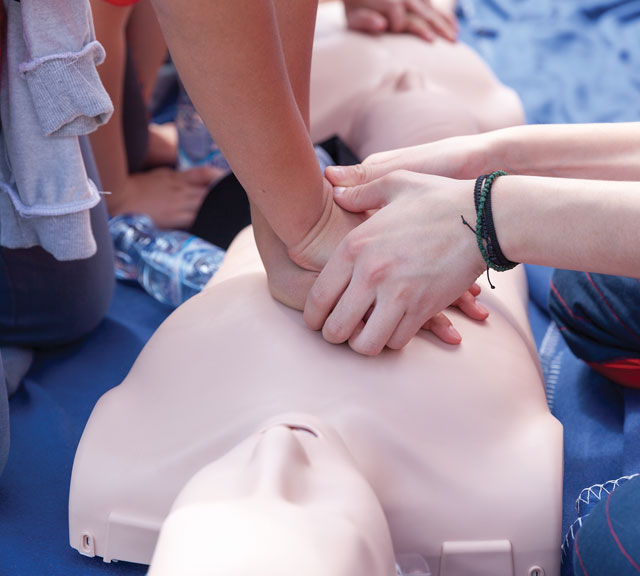
But AEDs are not available everywhere. And, since cardiac arrest can strike anywhere, it is important for people to learn how to perform CPR. Until an AED is available, chest compressions are essential to pump blood around the body, and particularly to the brain. If the brain does not have oxygen for about five minutes, the patient will become brain-dead or close to it. Even if you then shock them and keep them alive, there likely will be no meaningful brain function.
If no AED is available, and no one nearby knows CPR, the only hope is that the paramedics arrive very quickly. The bottom line is that people should learn CPR.
For those who survive sudden cardiac arrest, it's important to identify and treat any underlying problem that may have caused it. Structural problems within the heart often can be fixed to reduce the risk of another sudden cardiac arrest event. Electrical problems can be managed with an implanted defibrillator, which provides a jolt to restart the heart.
Are There Ways To Prevent Sudden Cardiac Arrest?
There is no way to absolutely prevent sudden cardiac arrest, but if you know you’re at risk for the condition, you can help yourself by addressing the underlying problems that put you at risk. In someone with a known history of heart problems, heart attacks, weak heart, a family history of sudden cardiac arrest, or family history of genetic heart rhythm problems, it's important to keep note of symptoms such as palpitations, lightheadedness, passing out, or near-passing-out episodes.
If you have questions or concerns about the possibility of heart disease or your potential for incurring sudden cardiac arrest, talk to your doctor or health care provider.
Answer a few questions and we'll provide you with a list of primary care providers that best fit your needs.
Source: National Heart, Lung, and Blood Institute; American Heart Association